Unlocking Innovation with Plastic Rapid Prototyping in Metal Fabrication
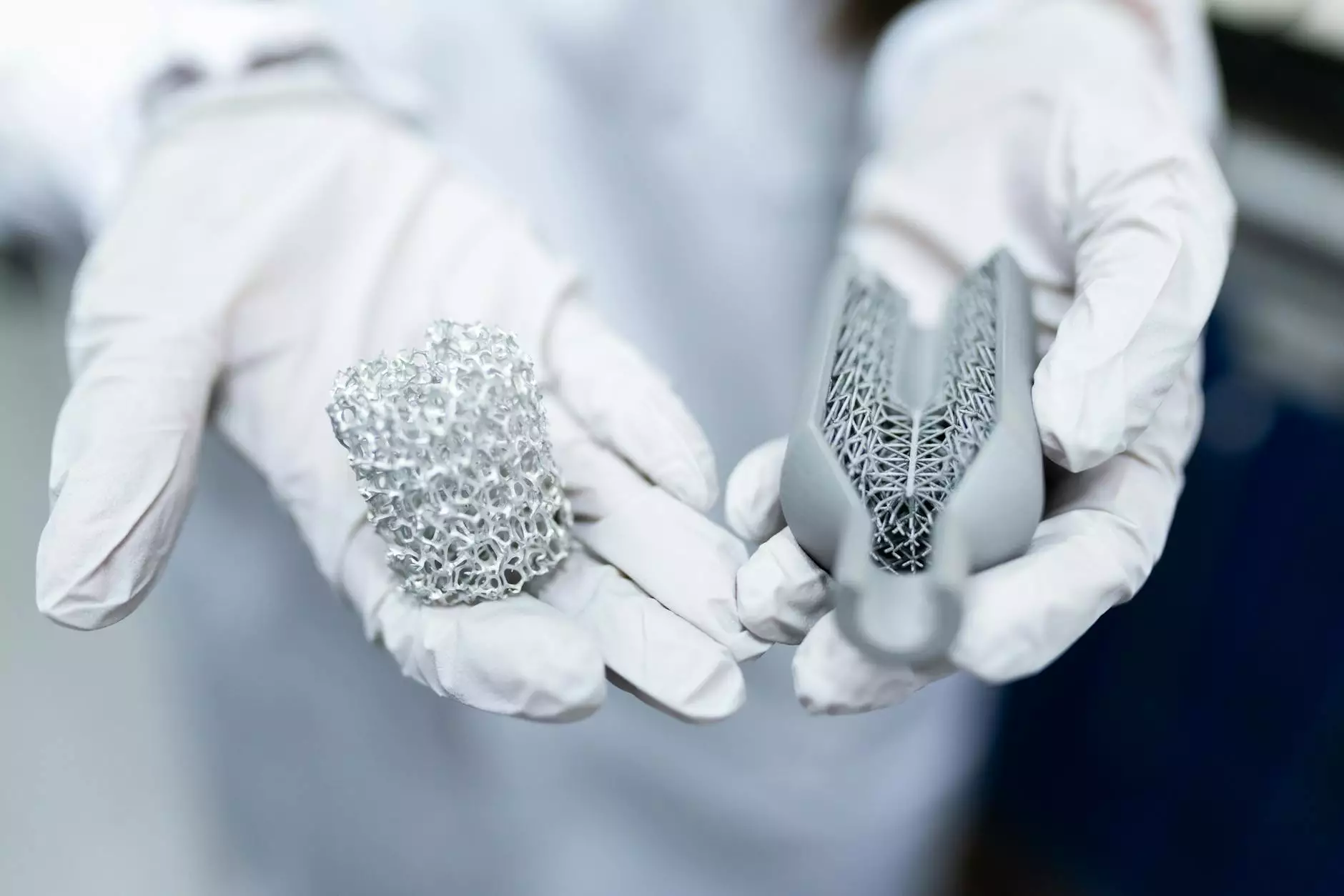
In today's highly competitive manufacturing landscape, innovation and efficiency are critical to staying ahead. For metal fabricators, embracing cutting-edge technologies like plastic rapid prototyping has become a game-changer, enabling faster development cycles, improved product accuracy, and significant cost reductions. Domains such as metal fabrication benefit immensely from integrating plastic rapid prototyping methods into their development process, paving the way for more agile, responsive, and innovative manufacturing workflows.
What is Plastic Rapid Prototyping and Why Is It Vital for Metal Fabrication?
Plastic rapid prototyping refers to a group of techniques that allow the quick creation of plastic models or prototypes directly from digital designs. Using advanced manufacturing methods such as 3D printing, stereolithography (SLA), selective laser sintering (SLS), or fused deposition modeling (FDM), it becomes possible to produce highly detailed, accurate prototypes in a matter of hours or days. This rapid creation cycle revolutionizes traditional product development by allowing designers and manufacturers to evaluate concepts early in the process.
For metal fabricators, integrating plastic rapid prototyping offers numerous advantages:
- Design validation before committing to expensive metal tooling
- Identification of design flaws early in development
- Faster iteration cycles to refine complex geometries
- Cost savings by reducing material waste and tooling costs
- Accelerated time-to-market for new products
While metal prototyping remains essential, plastic rapid prototyping acts as a crucial intermediary step—allowing manufacturers to test form, fit, and function without the high costs associated with metal parts. This transition frequently leads to more optimized final metal components, as insights gained from plastic prototypes guide design adjustments before any metal fabrication begins.
The Key Technologies Behind Plastic Rapid Prototyping for Metal Fabrication
Several advanced technologies underpin effective plastic rapid prototyping practices, each with unique capabilities:
1. Fused Deposition Modeling (FDM)
FDM is one of the most accessible and cost-effective plastic rapid prototyping methods. It works by extruding thermoplastic filaments layer by layer to create precise prototypes. Its versatility makes it ideal for producing functional models and small batch runs where quick turnaround is essential.
2. Stereolithography (SLA)
SLA utilizes ultraviolet laser beams to cure liquid resin with exceptional precision. Its ability to generate highly detailed, smooth-surfaced prototypes makes it the preferred choice for complex geometries and detailed features that often mimic final product details required in metal fabrication.
3. Selective Laser Sintering (SLS)
SLS employs a laser to sinter powdered plastic materials, producing sturdy prototypes suitable for functional testing. Its capability to produce durable, multi-part assemblies with minimal support structures makes it a valuable technology for iterative design processes in metal fabrication.
How Plastic Rapid Prototyping Enhances Metal Fabrication Processes
The integration of plastic rapid prototyping into metal fabrication workflows offers numerous tangible benefits:
1. Rapid Design Validation and Modification
Using plastic prototypes, engineers can verify assembly fit, aesthetic appeal, and ergonomics. This enables quick adjustments that prevent costly errors in metal parts, ensuring the final product aligns perfectly with customer expectations and functional requirements.
2. Accelerated Development Cycles
The traditional manufacturing cycle often spans weeks or months, especially when producing metal prototypes or molds. Plastic rapid prototyping compresses this timeline, allowing multiple iterations within days. This agility is vital in fast-paced industries like aerospace, automotive, and consumer electronics, where time-to-market is a competitive advantage.
3. Cost Reduction and Risk Mitigation
Metal tooling and fabrication are inherently expensive processes. Early-stage plastic prototypes significantly reduce the need for costly steel or aluminum molds during initial testing phases. As a result, manufacturers can identify potential issues and refine designs before investing in final metal parts, minimizing financial risks.
4. Cross-Departmental Collaboration
High-quality plastic prototypes serve as tangible visual aids, improving communication among design, engineering, and manufacturing teams. Clear visualization helps align expectations and facilitates data-driven decision-making, leading to better-integrated products.
5. Customization and Small Batch Production
In addition to prototyping, plastic rapid prototyping enables the production of customized, low-volume parts that mirror the final metal components. This flexibility is especially useful in markets that value personalized products or require quick turnaround for specialized applications.
Choosing the Right Plastic Material for Prototyping in Metal Fabrication
Material selection plays a pivotal role in plastic rapid prototyping success. Different applications demand different properties; therefore, understanding material options is crucial:
- ABS (Acrylonitrile Butadiene Styrene): Known for durability and impact resistance, suitable for functional testing.
- PLA (Polylactic Acid): Environmentally friendly and easy to print, ideal for quick visualizations.
- Polycarbonate (PC): Offers high strength and temperature resistance, favorable for stress testing.
- Nylon (Polyamide): Provides excellent flexibility and wear resistance, good for moving parts or assemblies.
- Resins for SLA: Include standard, high-strength, and flexible resins, offering ultra-fine detail and surface finish.
Selecting the appropriate material aligns with project goals, whether prioritizing functionality, aesthetics, or simulated final performance.
The Future of Plastic Rapid Prototyping in Metal Manufacturing
The ongoing evolution of plastic rapid prototyping technologies is shaping the future of metal fabrication:
- Multi-material and composite prototypes for simulating complex assemblies and final product behavior.
- Advances in 3D printing materials that match properties of metals, such as strength and heat resistance, further bridging the prototype-production gap.
- Integration with digital workflows using CAD/CAM and IoT, streamlining the transition from design to final metal part.
- Sustainable practices with recyclable and bio-based plastics, reducing environmental impact.
These innovations will continue to expand the capabilities of plastic rapid prototyping, making it an indispensable tool in the arsenal of modern metal fabricators.
Conclusion: Embracing Plastic Rapid Prototyping for a Competitive Edge
For metal fabrication businesses striving to maintain a competitive advantage, adopting plastic rapid prototyping is no longer optional but essential. It accelerates product development, reduces costs, enhances collaboration, and fosters innovation. Companies like deepmould.net, specializing in metal fabricators and advanced manufacturing solutions, recognize the strategic importance of integrating rapid prototyping techniques to deliver superior products to their clients.
By leveraging cutting-edge plastic rapid prototyping technologies, metal fabrication enterprises can turn innovative ideas into tangible products more efficiently than ever before, ultimately leading to higher quality, faster delivery, and increased customer satisfaction.
Stay ahead in the rapidly evolving manufacturing landscape—embrace plastic rapid prototyping today and propel your business into a future of endless possibilities.