Understanding T3 T4 Spinal Cord Injury Symptoms: A Complete Guide for Patients and Healthcare Providers
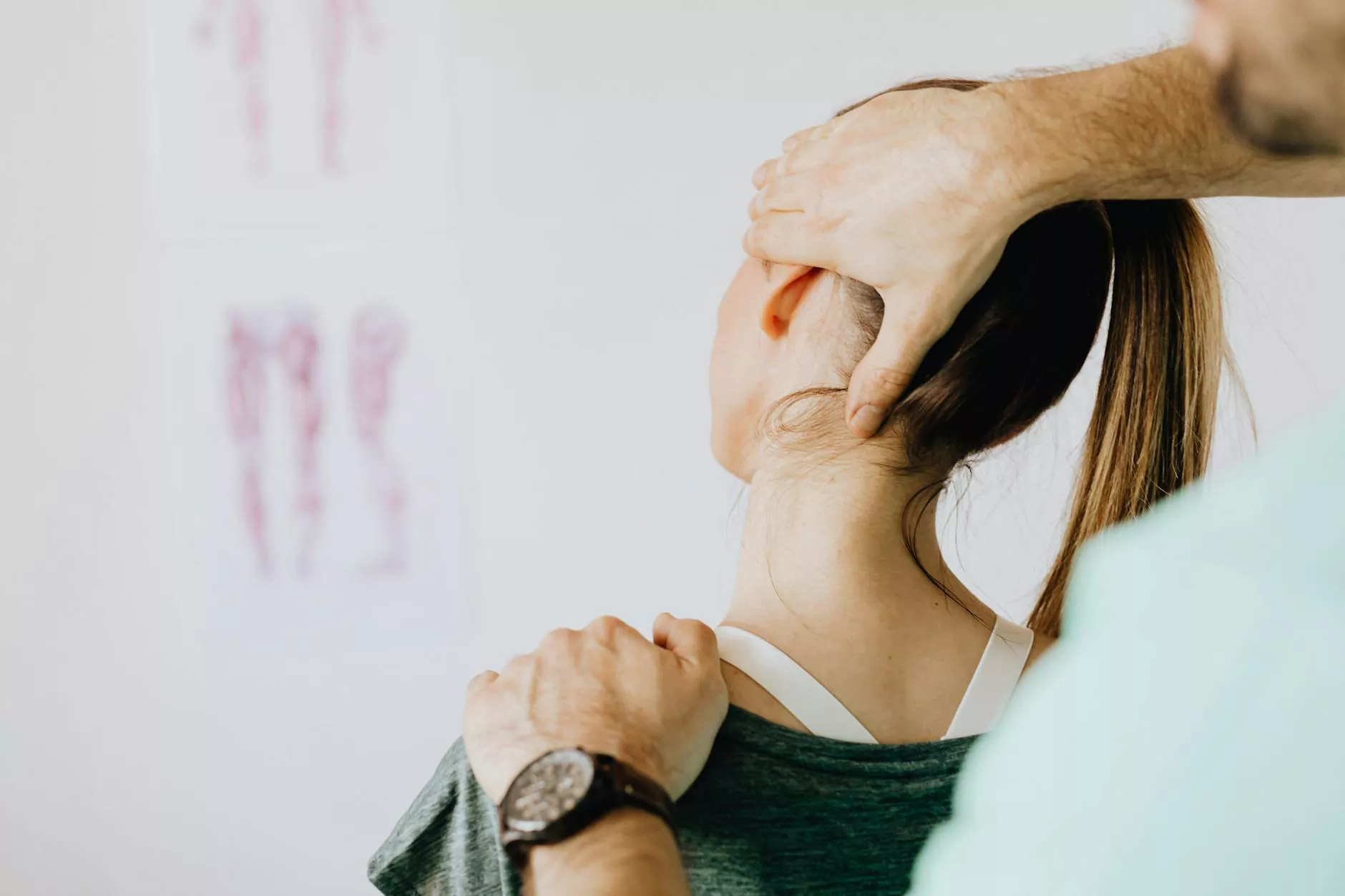
Spinal cord injuries (SCIs) can have profound and life-altering consequences, affecting not only physical mobility but also overall health and quality of life. Among the various levels of spinal injuries, those occurring at the T3 and T4 vertebrae pose unique challenges and symptoms that require specialized understanding for effective management. This comprehensive article aims to provide an in-depth exploration of t3 t4 spinal cord injury symptoms, their causes, clinical presentation, diagnostic approaches, treatment strategies, and ongoing rehabilitation insights.
What Are T3 and T4 Spinal Cord Injuries?
The thoracic segment of the spine comprises twelve vertebrae labeled T1 through T12. Injuries at the T3 and T4 levels specifically involve the third and fourth thoracic vertebrae. These injuries are classified according to a spectrum that ranges from minor contusions to complete transections of the spinal cord. When the injury occurs at T3 or T4, it typically impacts the function of the lower body and trunk, often leading to paraplegia or varying degrees of motor and sensory deficits, depending on the severity.
Pathophysiology of T3 T4 Spinal Cord Injuries
The spinal cord acts as the main communication highway between the brain and the rest of the body. An injury at T3 or T4 disrupts this critical pathway, impacting neural signals that govern movement, sensation, and autonomic functions. The extent of the impairment depends on whether the injury is classified as complete (total loss of function) or incomplete (partial preservation). Factors like the injury mechanism—whether due to trauma, compression, or ischemia—also influence the presenting symptoms.
Recognizing the t3 t4 spinal cord injury symptoms
Identifying symptoms early is crucial for prompt medical intervention and improved recovery prospects. The symptoms of T3 and T4 injuries can vary widely but generally include:
- Motor deficits: Weakness or paralysis of the lower limbs (paraplegia), with preserved upper limb function if injury is isolated below the cervical spine.
- Sensory loss: Reduced or absent sensation in the trunk and lower extremities, including touch, pain, and temperature perception.
- Autonomic Dysfunction: Disruptions in autonomic control may cause issues such as blood pressure instability, irregular heart rate, and abnormal sweating patterns.
- Bladder and Bowel Dysfunction: Loss of voluntary control leading to urinary retention, incontinence, or constipation is common.
- Respiratory Challenges: Though less common at T3-T4, severe injuries can impair the intercostal muscles, affecting breathing and cough effectiveness.
It's important to note that some individuals may also experience spasticity, neuropathic pain, or other neurological symptoms depending on injury severity.
Detailed Clinical Presentation of T3 T4 Spinal Cord Injuries
Clinicians assess these injuries systematically through physical examinations and diagnostic tests. Typical clinical findings include:
- Loss of sensation: Diminished or absent dermatomal sensation in T3 and T4 dermatomes, often felt around the mid-chest region.
- Lower limb paralysis: Flaccid or spastic paralysis involving the legs, with preserved or impaired upper limb reflexes.
- Autonomic disturbances: Fluctuations in blood pressure, irregular heartbeat, and signs of autonomic dysreflexia in severe cases.
- Orthopedic signs: Spinal tenderness, tenderness along the thoracic vertebrae, or deformities in severe trauma.
Comprehensive neurological assessment, including the American Spinal Injury Association (ASIA) Impairment Scale, helps determine the severity and prognosis of the injury.
Diagnostic Approaches for T3 T4 Spinal Cord Injury
Accurate diagnosis is essential for developing effective treatment plans. The following diagnostic tools are typically employed:
- Magnetic Resonance Imaging (MRI): Provides detailed visualization of soft tissue, spinal cord, and adjacent structures to identify compression, hemorrhage, or edema.
- Computed Tomography (CT): Offers high-resolution images of bony structures, detecting fractures or dislocations.
- Neurological Examination: Assesses motor and sensory function, reflexes, and autonomic function to classify injury severity.
- Electrophysiological Tests: Somatosensory evoked potentials and motor evoked potentials evaluate neural pathway integrity.
Management Strategies for T3 T4 Spinal Cord Injuries
Effective management is multidimensional, combining acute stabilization, medical management, and rehabilitative therapies to maximize recovery and independence.
Acute Medical Intervention
- Immobilization: Immediate immobilization of the spine using braces or surgical fixation to prevent further injury.
- Pharmacologic treatment: Administration of corticosteroids like methylprednisolone within the first 8 hours can reduce inflammation and secondary damage.
- Hemodynamic stabilization: Maintaining optimal blood pressure to preserve spinal cord perfusion.
- Addressing autonomic disturbances: Managing blood pressure fluctuations, preventing autonomic dysreflexia, and controlling pain.
Surgical Options
- Decompression Surgery: Relieves pressure on the spinal cord caused by hematoma, herniated discs, or fractured vertebrae.
- Stabilization Procedures: Spinal instrumentation and fusion to maintain spinal alignment and prevent further injury.
Rehabilitation and Long-Term Care
Rehabilitation is critical in optimizing functional recovery. Approaches include:
- Physical Therapy: Focuses on strength, range of motion, and mobility training, using assistive devices as needed.
- Occupational Therapy: Aims to restore daily living skills and independence.
- Psychological Support: Addresses mental health challenges arising from injury adjustments.
- Autonomic Regulation: Monitoring and managing blood pressure, bowel, and bladder functions.
The Prognosis of T3 T4 Spinal Cord Injuries
The outlook for individuals with T3 and T4 injuries depends heavily on the injury's severity, timeliness of treatment, and rehabilitation efforts. While complete injuries may result in permanent paraplegia, many with incomplete injuries can experience significant recovery of motor and sensory functions over time. Early intervention, continuous therapy, and supportive care play pivotal roles in improving long-term outcomes.
Emerging Advances and Future Directions in Treatment
The field of SCI management is rapidly evolving, with promising developments such as regenerative medicine, stem cell therapy, neurostimulation, and advanced surgical techniques. These innovations aim to repair damaged neural pathways, promote neuroplasticity, and restore lost functions, especially relevant to injuries at the T3 and T4 levels.
Importance of Specialized Healthcare and Support Systems
When addressing t3 t4 spinal cord injury symptoms, the importance of accessing specialized healthcare cannot be overstated. Multidisciplinary teams—including neurologists, neurosurgeons, physiatrists, therapists, and support staff—are essential in delivering comprehensive care. Additionally, community support networks and patient education foster better adaptation and quality of life.
Where to Seek Expert Care?
If you or a loved one experience symptoms indicative of a spinal cord injury, prompt consultation with healthcare professionals specializing in spinal trauma is vital. Domain-specific clinics, hospitals equipped with advanced imaging, and rehabilitation centers like those associated with iaom-us.com offer integrated care pathways that are tailored for such complex injuries.
Conclusion: Emphasizing Early Detection and Holistic Management
Understanding t3 t4 spinal cord injury symptoms is fundamental for early diagnosis, effective treatment, and improved recovery outcomes. Integrated medical approaches, ongoing research, and comprehensive rehabilitation programs provide the best hope for individuals affected by these injuries. Advances in medical science continue to inspire hope, demonstrating that with prompt and specialized care, many patients can regain independence and enhance their quality of life.
For additional resources, professional guidance, or to find expert care providers specializing in spinal cord injuries, visit our trusted partner at iaom-us.com. Together, we can improve outcomes and support individuals on their journey toward recovery and wellness.