Understanding the Fibroid Operation Cost: An In-Depth Guide to Managing Your Healthcare Expenses
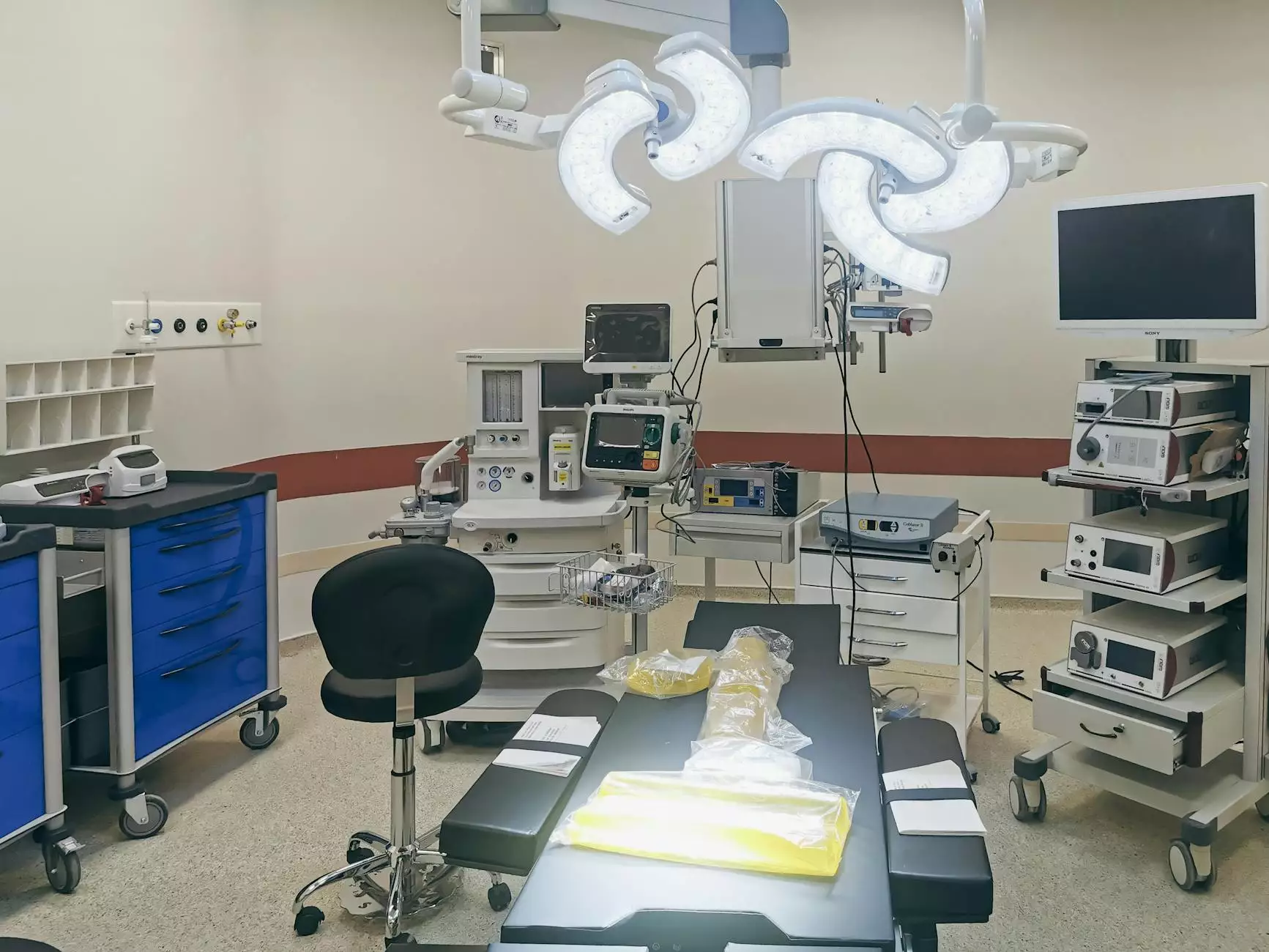
Uterine fibroids are among the most common reproductive health issues faced by women worldwide. While many women experience no symptoms, others may face significant discomfort, heavy bleeding, pelvic pressure, and fertility challenges. Fortunately, modern medical procedures offer effective treatment options, with surgical interventions like fibroid removal being widely preferred. However, one of the most critical concerns for patients contemplating fibroid treatment is fibroid operation cost. Understanding the various factors that influence the cost, what to expect from payment schemes, and how to plan financially can significantly ease the anxiety surrounding treatment. In this comprehensive guide, we delve deep into the essentials of fibroid operation costs, offering clarity, expert insights, and practical advice.
What Is a Fibroid Operation?
A fibroid operation, also known as a myomectomy, is a surgical procedure aimed at removing uterine fibroids while preserving the uterus, thus maintaining fertility for women who wish to conceive in the future. Depending on the size, number, location, and symptoms of the fibroids, surgeons may opt for different surgical techniques, including hysteroscopic, laparoscopic, or open myomectomy. Each approach has different implications for recovery time, success rate, and cost.
Factors Influencing the Cost of Fibroid Surgery
When considering the fibroid operation cost, it is essential to recognize the various factors that influence the overall expense. These include:
- Type of Surgical Procedure: Minimally invasive techniques such as laparoscopic or hysteroscopic myomectomy tend to be more cost-effective than traditional open surgery.
- Size and Number of Fibroids: Multiple or large fibroids may increase surgical complexity and duration, impacting the cost.
- Location of the Fibroids: Submucosal, intramural, or subserosal fibroids require different surgical approaches, influencing overall expenses.
- Hospital and Surgeon Fees: The reputation, expertise, and location of the healthcare facility significantly affect the total cost.
- Preoperative and Postoperative Care: Necessary diagnostics, anesthesia, hospitalization, and follow-up appointments are part of the total expense.
- Geographical Location: Costs vary widely between countries, regions, and even neighboring cities depending on the healthcare infrastructure.
- Insurance Coverage: Medical insurance policies may reduce out-of-pocket expenses, but coverage varies based on policy and provider.
Average Fibroid Operation Cost Worldwide and in Key Regions
Global variations in healthcare costs mean that the fibroid operation cost can range widely. Here is an overview based on recent data:
United States
In the US, the average cost of a fibroid surgery (myomectomy) can range from $8,000 to over $20,000. This includes surgeon’s fee, anesthesia, hospital charges, and postoperative care. Insurance coverage can significantly reduce the amount paid out-of-pocket.
Europe
European countries typically have a more standardized pricing structure, with costs ranging from €4,000 to €12,000, depending on the country and healthcare system. Countries like Germany, France, and the UK offer high-quality services that sometimes include extensive follow-up care.
Turkey
Turkey is renowned for its advanced medical facilities and affordable healthcare. The fibroid operation cost here can be as low as $3,000 to $8,000. Many international patients seek treatment in Turkey due to the combination of quality and cost-effectiveness.
India and Southeast Asia
In countries like India, the fibroid operation cost ranges from $2,000 to $6,000, making it an attractive destination for medical tourism, especially for those seeking affordable yet high-quality care.
Breaking Down the Cost Components of Fibroid Surgery
To better understand what contributes to the total fibroid operation cost, let's examine the typical breakdown:
- Preoperative Diagnostics: Ultrasounds, MRI scans, blood tests, and other diagnostics may cost between $300 and $1,000 depending on complexity.
- Surgeon’s Fee: The expertise of the surgeon can influence costs, typically ranging from $2,000 to $10,000.
- Anesthesia Fees: Anesthesia services generally add $1,000 to $3,000 to the bill.
- Hospital or Surgical Facility Charges: Facility costs vary based on location and quality, often between $2,000 and $10,000.
- Postoperative Care and Medications: Recovery support, pain management, and medications can range from $200 to $1,000.
- Additional Treatments: Procedures like hysteroscopic ablation or minimally invasive options could alter the costs accordingly.
How to Effectively Budget for Fibroid Surgery
Managing healthcare costs is crucial for peace of mind. Here are key strategies to financially prepare for your fibroid operation:
- Consult Multiple Specialists: Obtain detailed quotes and treatment options from reputable gynecologists or fibroid specialists.
- Review Your Insurance Policy: Ensure comprehensive coverage and understand deductibles, copayments, and exclusions.
- Ask About Payment Plans: Many hospitals and clinics offer installment options or financing plans.
- Research Medical Tourism: Countries like Turkey, India, and Mexico offer high-quality care at significantly lower costs.
- Plan for Postoperative Expenses: Include anticipated costs for recovery, follow-up consultations, and medications.
Importance of Choosing an Experienced Specialist
While cost is a significant factor, the experience and reputation of your surgeon can influence the success of your fibroid treatment and the likelihood of complications. Dr. Seçkin, a highly respected specialist in obstetrics and gynecology at drseckin.com, offers advanced surgical options with a focus on personalized care and optimal outcomes.
Benefits of Opting for Quality Care Regardless of Cost
Choosing mediocre or lower-cost options can sometimes lead to higher expenses due to complications, extended hospital stays, or repeat surgeries. Prioritize experienced healthcare providers who adhere to international standards for safety, hygiene, and postoperative support. This approach can save costs in the long run and ensure that your health is not compromised.
Conclusion: Navigating the Fibroid Operation Cost for a Healthier Future
Understanding the intricacies of fibroid operation cost empowers women to make informed decisions about their health. By considering all influencing factors—from surgical techniques to geographical location and insurance coverage—you can better plan your treatment financially. Remember, investing in a highly experienced specialist like Dr. Seçkin ensures not only successful surgical outcomes but also peace of mind throughout your healthcare journey.
Always consult with qualified gynecologists and surgical teams who prioritize your well-being above all. With comprehensive planning and the right medical support, overcoming fibroids becomes an achievable goal, allowing you to enjoy improved health, comfort, and quality of life.